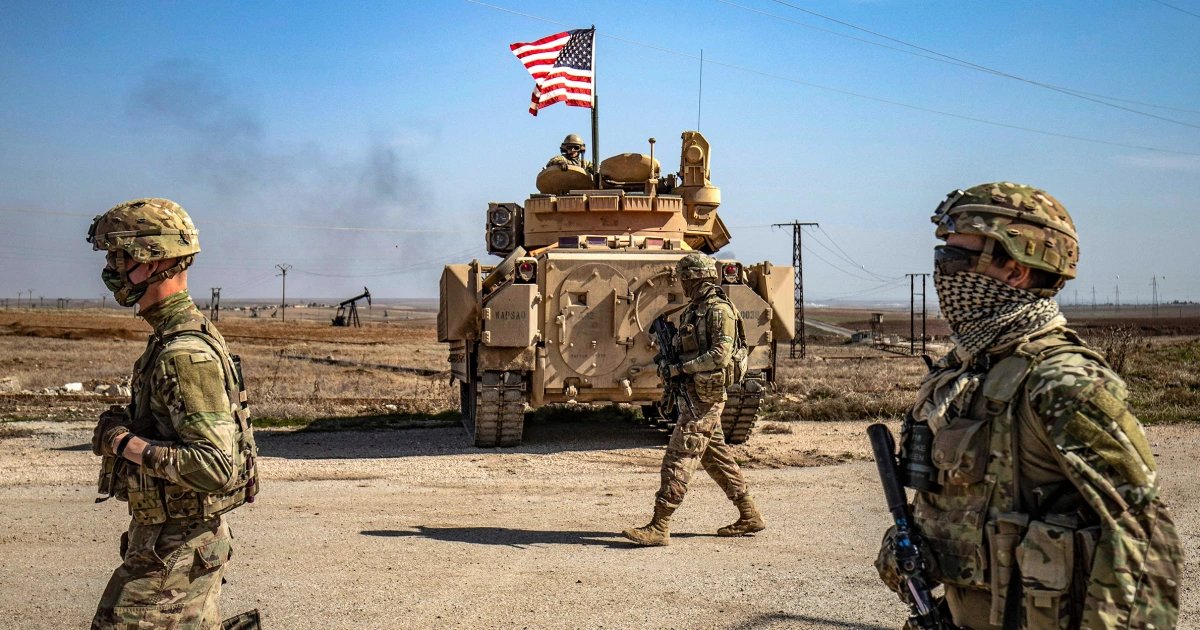
Tensions between Washington and Tehran have surged after former U.S. President Donald Trump issued a 10-day ultimatum to Iran to reach a new nuclear agreement, warning of severe consequences if diplomacy fails. The warning coincides with the deployment of a second U.S. aircraft carrier to the Middle East, heightening global concern over potential military escalation.
The latest escalation has reignited global concerns about a potential flashpoint in an already volatile region. With one U.S. carrier group already operating in Middle Eastern waters, the addition of a second dramatically increases Washington’s strike capacity, airpower projection, and rapid-response capability.
Analysts note that such deployments are rarely symbolic. They serve to deter adversaries, apply diplomatic pressure, and prepare for rapid military response if negotiations collapse.
Trump’s ultimatum appears aimed at forcing Tehran back into a renegotiated nuclear framework after years of strained diplomacy. However, the compressed timeline adds urgency and risk, as Iran has historically resisted public pressure tactics.
U.S. leadership is expected to play a central role in shaping diplomatic messaging and coalition-building efforts as tensions rise. While officials emphasize a preference for negotiation, the parallel military reinforcement underscores a strategy of diplomacy backed by credible force.
The implications extend beyond bilateral relations. Oil markets, regional allies, and global security frameworks remain highly sensitive to developments in the Persian Gulf.
With a 10-day clock now in motion and expanded U.S. naval presence in position, the coming days may determine whether this moment leads to renewed diplomacy or a deeper cycle of confrontation.