News Afrika
News Afrika
HomePoliticsEconomyMediaBusinessTechnologyHealth

Privacy PolicyTerms of ServiceAbout UsContact UsEditorial PolicyCorrections PolicyOwnership & FundingOur TeamCookie PolicySitemap

© 2026 News Afrika • Independent African Journalism • All Rights Reserved

    HomeHealthCross-Border Medicine Smuggling: A Symptom of Regional Healthcare Strains
    Health

    Cross-Border Medicine Smuggling: A Symptom of Regional Healthcare Strains

    Over 800 bottles of South African medicine were intercepted at Beitbridge, highlighting broader challenges in healthcare access, regulation, and economic pressures in southern Africa.

    By:Maria Masuluke
    February 15, 2026
    2 min read
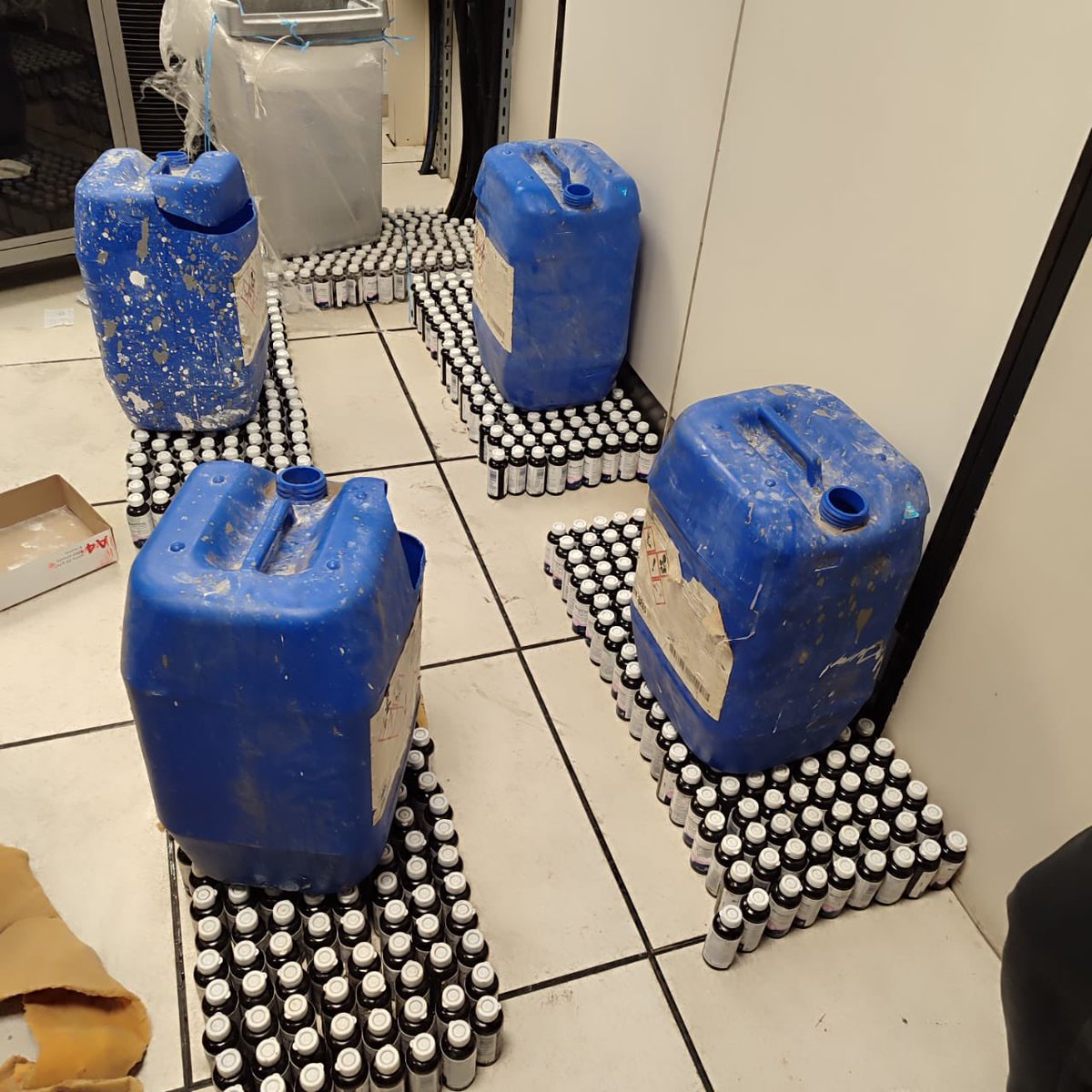
    Intercepted South African medicines at Beitbridge border.
    More than 800 bottles of South African medicine intercepted by Zimbabwean authorities. | Photo: Supplied
    • •Over 800 bottles of medicine intercepted at Beitbridge.
    • •Incident reflects deeper structural issues in regional healthcare systems.
    • •Policy innovation may be required to reduce smuggling incentives.

    The recent interception of more than 800 bottles of South African medicine at Beitbridge’s Malume Zone, carried by an illegal Zimbabwean border crosser, is not merely a case of smuggling—it reflects deeper systemic pressures within regional healthcare and economic systems.

    Zimbabwe, like many countries in the region, has faced chronic shortages of essential medicines. Local production struggles, combined with fluctuating import capacity and economic instability, have created gaps that opportunistic individuals exploit. The smuggling of pharmaceuticals, while illegal, emerges as a direct consequence of these structural deficiencies. Communities that cannot reliably access medicine through official channels often turn to informal markets, inadvertently fueling illicit trade networks.

    This incident underscores the tension between law enforcement and public health imperatives. On one hand, authorities are tasked with safeguarding legal compliance and preventing unregulated medicines from circulating, which could pose safety risks. On the other hand, the persistent demand signals a failure in supply chain management and affordability. These medicines are intended to save lives, and their diversion points to broader societal vulnerabilities—especially in rural areas near border zones like Beitbridge, where access to healthcare facilities is limited.

    Economically, this smuggling highlights the uneven incentives created by currency disparities and regional pricing. South African pharmaceuticals often cost less or are more available than locally produced alternatives, creating a high-reward environment for illicit cross-border movement. For the individual smugglers, these risks are weighed against immediate economic necessity, reflecting the complex interplay of poverty, unemployment, and informal economies in southern Africa.

    Looking forward, this event could act as a catalyst for policy innovation. Strengthening regional pharmaceutical collaboration, enhancing border inspection capacity with health-focused monitoring, and improving local production and distribution could reduce the incentives for smuggling while ensuring medicine reaches those who need it most.

    Ultimately, the Beitbridge interception is a reminder that illegal activity often signals unmet societal needs. Addressing the root causes—economic pressure, healthcare access, and regulatory gaps—is essential to prevent repeated crises and ensure both public safety and health security in the region.

    Sources

    • Regional Healthcare Updates and Border Control Reports

    Tags

    Medicine Smuggling
    Beitbridge
    Healthcare Access
    Regional Economics
    Illegal Trade

    Related Stories

    Elderly person sitting alone reflecting on aging and mental health
    MENTAL HEALTH
    •3 MIN READ

    Growing Older, Feeling Invisible: The Mental Health Struggles Many Seniors Face

    Across many societies, aging often comes with an unexpected emotional burden: the feeling of becoming invisible. While medical care for physical health has improved, the mental health of older adults remains widely overlooked.

    March 15, 2026
    Minister Aaron Motsoaledi and Deputy Minister Joe Phaahla brief media on National Health Insurance White Paper | by GovernmentZA
    NATIONAL HEALTH
    •5 MIN READ

    NHI Constitutional Battle in South Africa

    South Africa’s proposed National Health Insurance (NHI) system has become one of the most contested policy reforms in the country’s democratic era. Supporters argue that the program could transform healthcare access by creating a universal system that guarantees medical services to all citizens. Critics, however, warn that the policy raises serious constitutional, financial, and administrative concerns that could reshape the country’s healthcare landscape for decades.

    March 8, 2026
    Minister Aaron Motsoaledi and Deputy Minister Joe Phaahla brief media on National Health Insurance White Paper
    HEALTH POLICY
    •5 MIN READ

    The NHI Constitutional Battle Showdown: A Make-or-Break Crisis

    South Africa’s ambitious National Health Insurance (NHI) plan is heading toward a critical constitutional confrontation. While the government argues that universal healthcare is a moral and legal obligation, critics warn the policy may violate constitutional protections and create unsustainable financial pressures. As legal challenges intensify, the debate over NHI has evolved into one of the most consequential policy battles in the country’s democratic history.

    March 8, 2026
    Healthcare workers operating in an Ebola-affected region during emergency response operations
    DISEASE & PUBLIC HEALTH
    •4 MIN READ

    The Goma Ebola Surge: A Regional Security Threat

    Health authorities are increasingly alarmed as Ebola infections surge in parts of the eastern Democratic Republic of Congo, with cases approaching the densely populated city of Goma. Experts warn that the combination of armed conflict, fragile health systems, and logistical challenges could transform a public health emergency into a broader regional crisis.

    March 6, 2026