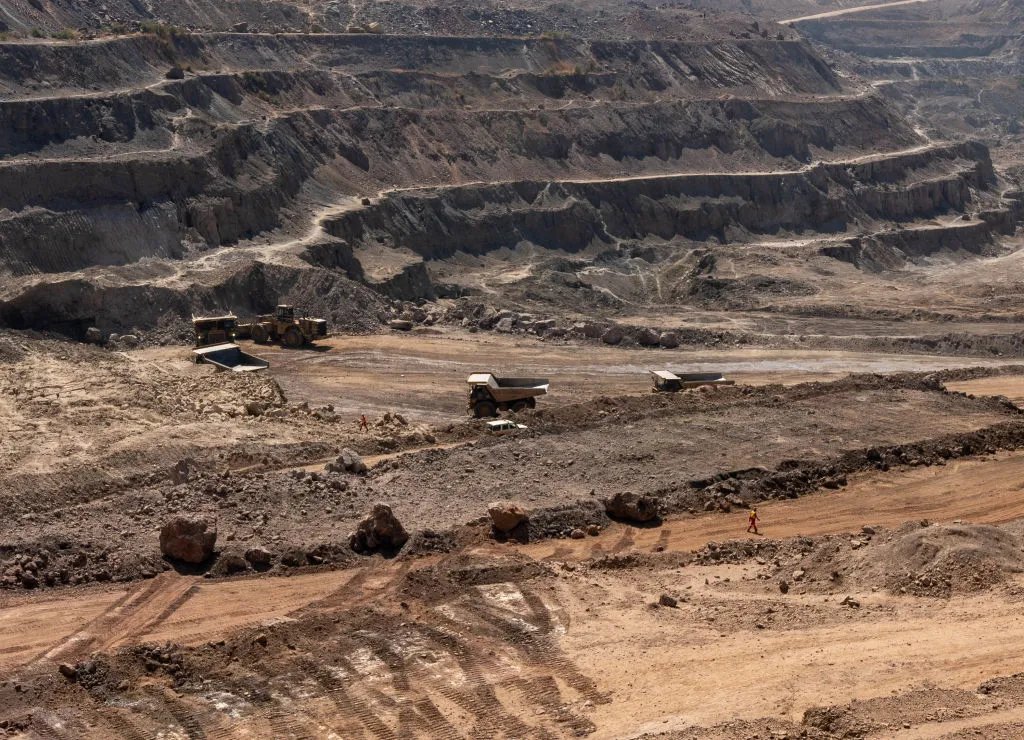
Africa is once again at the center of global competition for natural resources. This time, however, the race is not for gold or ivory but for critical minerals such as cobalt, lithium, copper, and rare earth elements that power modern technologies including electric vehicles, smartphones, renewable energy systems, and advanced electronics.
These minerals have become essential to the global energy transition and digital economy. As a result, Africa’s vast geological wealth has turned into a strategic prize for major world powers seeking reliable supply chains for the industries of the future.
Africa’s Strategic Mineral Wealth
The African continent holds some of the world’s most significant deposits of critical minerals. The Democratic Republic of Congo alone produces roughly 70 percent of the world’s cobalt, a key component used in lithium-ion batteries that power electric vehicles and portable devices.
Southern Africa also plays a major role in the global minerals market. South Africa possesses large reserves of manganese and platinum, while Zimbabwe and Namibia are emerging as important lithium producers as demand for battery metals grows worldwide.
With the world accelerating its transition toward renewable energy, analysts expect demand for these minerals to increase dramatically over the next two decades.
China’s Early Advantage
China currently holds a powerful position in Africa’s mineral sector. Over the past two decades, Chinese companies have secured major stakes in mines across the continent, particularly in the copper and cobalt regions of the Democratic Republic of Congo and Zambia.
Beyond mining itself, China also dominates global mineral refining and processing. Many African minerals are exported to Chinese facilities where they are processed before being used in global manufacturing industries.
Chinese investment strategies often combine mining agreements with large infrastructure projects such as railways, highways, and power plants. These deals have allowed Chinese firms to gain long-term access to mineral resources while also contributing to infrastructure development in host countries.
The United States and Europe Respond
Western governments have increasingly recognized the strategic importance of Africa’s minerals. As demand for electric vehicles and renewable energy technologies grows, countries such as the United States and members of the European Union are seeking to diversify their mineral supply chains.
Recent initiatives have focused on financing mining projects, supporting infrastructure development, and negotiating long-term supply agreements with African governments.
These efforts reflect growing concern among Western policymakers that reliance on a limited number of suppliers could create vulnerabilities in global supply chains.
New Global Investors Enter the Market
Competition for African minerals is no longer limited to China and Western countries. Investors from the United Arab Emirates, Saudi Arabia, India, and Turkey have also begun increasing their presence in the continent’s mining sector.
This new wave of investment reflects the strategic value of minerals that support the modern global economy.
Who Really Benefits?
Despite Africa’s enormous mineral wealth, many communities near mining operations continue to experience poverty, environmental damage, and limited economic opportunity. Critics argue that the continent has historically exported raw materials while importing finished goods, leaving much of the value creation to industries outside Africa.
This imbalance has raised growing calls for reforms that ensure African countries benefit more directly from their natural resources.
Africa’s Push for Greater Control
Several African governments are now introducing policies aimed at increasing national control over mineral resources. Some countries have restricted exports of raw minerals in order to encourage processing and manufacturing within their own borders.
These policies are designed to support the development of local refining and manufacturing industries, allowing African economies to capture a larger share of the value generated by their natural resources.
A Defining Economic Opportunity
The global race for critical minerals has placed Africa at the center of a new geopolitical and economic competition. With vast deposits of resources essential to the future of technology and clean energy, the continent holds a powerful strategic advantage.
The challenge for African governments is ensuring that this new mineral boom leads to sustainable economic growth, job creation, and industrial development rather than repeating the extractive patterns of the past.
If managed carefully, Africa’s mineral wealth could become one of the most important drivers of economic transformation in the 21st century.